

Tallow Balm vs Commercial Face Cream: Which Suits Your Skin?
Table of Contents
- Tallow Balm vs Commercial Face Cream: Key Differences
- Tallow Skincare for Dry Skin: Why Balms Work
- Beef Tallow Moisturizer for Face: Ingredient Breakdown
- Tallow Balm Ingredients: Reading Labels and Spotting Fillers
- Tallow Balm for Acne-Prone Skin: Breakout Risk and Reality
- Cost, Value, and Shelf Life: Making the Financial Case
- How to Choose: A Decision Framework for Your Skin
- Common Mistakes and Safety Considerations
- Frequently Asked Questions
Last Updated: October 14, 2026
Tallow Balm vs Commercial Face Cream: Key Differences
Tallow balm and commercial face cream represent two fundamentally different approaches to facial moisturizing. The choice between tallow balm vs commercial face cream comes down to formulation philosophy, ingredient transparency, and how your skin responds to rich, occlusive products.

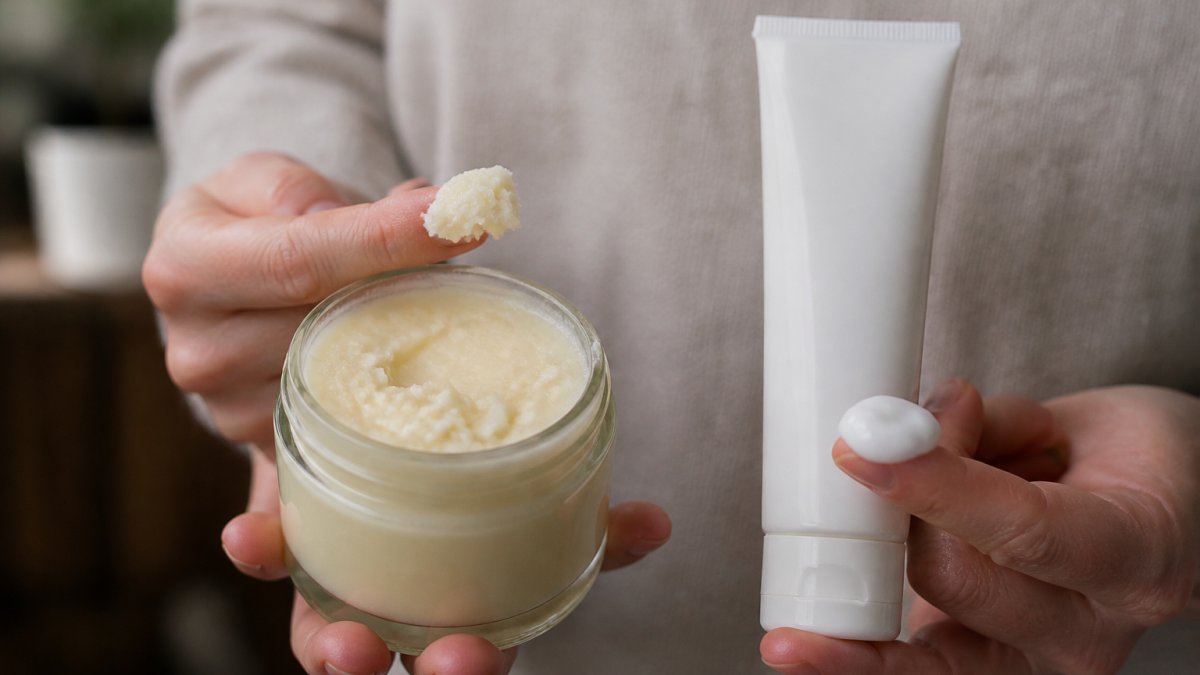
At Tahorah Wellness LLC, customers often seek tallow-based skincare after years of using conventional creams, wanting to know exactly what's going into their products. The core difference isn't just marketing, it's the actual composition and how these products behave on skin.
Texture, Consistency, and Spreadability
Tallow balms are characteristically thick and rich, with a waxy, concentrated texture that requires a light touch during application. A small amount goes a long way because you're working with an occlusive base rather than a water-based emulsion.
The spreadability difference matters practically. Tallow balm demands patience, you warm it between your fingertips before pressing it into skin. Commercial creams absorb faster and feel less "heavy" during application.
Absorption and Skin Feel
Tallow balms sit on the skin's surface longer than most commercial creams. This isn't a flaw, it's intentional. The occlusive layer seals in moisture and creates a protective barrier, which is why tallow works well for dry or compromised skin.
Commercial face creams are engineered to absorb quickly and leave minimal residue. They feel lighter, dry down faster, and work well under makeup or for daytime use. However, that quick absorption often means the moisturizing benefit doesn't last as long as a tallow balm's protective barrier.
Tallow Skincare for Dry Skin: Why Balms Work
Tallow skincare for dry skin addresses a real problem that many conventional products struggle with: lasting hydration without synthetic additives. Dry skin needs occlusion, a physical barrier that prevents water loss, and tallow delivers this more effectively than most commercial formulations.
The reason tallow works for dry skin relates to its composition. Grass-fed beef tallow contains fatty acids and fat-soluble vitamins that mimic the skin's own sebum.
For cracked, rough, or weather-damaged skin, tallow balm's concentrated formula means you're applying more active moisturizing compounds per application. A thin layer of tallow balm can deliver more nourishment than a standard commercial cream application.
Beef Tallow Moisturizer for Face: Ingredient Breakdown
Understanding what's actually in your moisturizer is the key difference between tallow and commercial products. A beef tallow moisturizer for face starts with a single primary ingredient, rendered grass-fed beef fat, and builds from there. Commercial face creams, by contrast, are complex formulations with multiple functional categories of ingredients.
What's Inside Tallow Balms
Tallow balms typically contain grass-fed beef tallow as the base (usually 50-80% of the formula), combined with complementary oils and butters for additional benefits. At Tahorah Wellness LLC, our Tinted Tallow - Satin Finish Face Cream includes grass-fed beef tallow as the foundation, enhanced with turmeric butter, hazelnut oil, rosehip oil, mango butter, cocoa butter, and vitamin E for added nourishment.
The ingredient list is deliberately short and recognizable. Most people can pronounce and identify every component. There are no synthetic preservatives, silicones, or chemical emulsifiers, the formula works because of what's actually in it, not because of laboratory engineering.
What's Inside Commercial Face Creams
Commercial face creams operate on a different principle. They combine water (often 50-70% of the formula) with oil-based ingredients, then use emulsifiers to bind these incompatible substances together. This creates a lighter texture and faster absorption, but requires additional ingredients to function:
- Emulsifiers and stabilizers: Chemical compounds that keep oil and water from separating
- Preservatives: Synthetic or natural compounds that prevent bacterial and fungal growth in water-based formulas
- Humectants: Ingredients like glycerin or hyaluronic acid that pull water into the skin
- Thickeners and texture modifiers: Compounds that adjust the cream's consistency
- Fragrance and colorants: Added for sensory appeal
- Fillers and bulking agents: Inexpensive ingredients that increase volume without significant benefit
The result is a product that feels lighter, spreads easily, and absorbs quickly. However, the ingredient deck is longer, more complex, and often includes components that people either don't recognize or actively want to avoid.
Tallow Balm Ingredients: Reading Labels and Spotting Fillers
When evaluating a tallow balm, the ingredient list tells you almost everything you need to know.
Red flags to watch for include long lists of unpronounceable chemical names, ingredients listed as "fragrance" or "parfum" (which can hide dozens of undisclosed chemicals), silicones, synthetic preservatives like parabens, and fillers like mineral oil or petrolatum.
Quality tallow balms also list ingredients in descending order by weight, so grass-fed beef tallow should appear first or second on the label. If tallow is listed third or fourth, you're paying for a balm that's more filler than substance.
Tallow Balm for Acne-Prone Skin: Breakout Risk and Reality
The biggest concern people raise about tallow balm for acne-prone skin is whether a rich, occlusive product will trigger breakouts. This is a legitimate concern, but the answer is more nuanced than "tallow clogs pores."
Tallow itself isn't inherently comedogenic (pore-clogging) because it mirrors the skin's natural sebum. However, the risk comes from application method and individual skin sensitivity. If you apply too much tallow balm, or if you have active bacterial acne, the occlusive barrier can trap bacteria and exacerbate breakouts. For hormonal acne or inflammatory acne, tallow balm may not be the right choice.
Tinted Tallow - Satin Finish Face Cream →
Pore-Clogging Concerns and Comedogenic Ratings
Comedogenic ratings measure an ingredient's likelihood to clog pores on a scale of 0-5, with 0 being non-comedogenic and 5 being highly comedogenic. Beef tallow typically rates between 2-3, meaning it has moderate pore-clogging potential for some people but won't affect others.
This variation exists because skin chemistry is individual. Some people's skin tolerates tallow beautifully, while others break out immediately. The only way to know is through patch testing, apply a small amount to a discrete area and observe your skin's response over 3-5 days before committing to regular use.
Who Should Avoid Tallow Balms
People with active bacterial acne, oily skin with excess sebum production, or a history of severe breakouts from occlusive products should approach tallow balm cautiously. If your acne is driven by clogged pores rather than dehydration, a lighter commercial cream with salicylic acid or benzoyl peroxide may be better suited. Similarly, if you have rosacea or extremely reactive sensitive skin, the richness of tallow balm can sometimes trigger irritation, though this varies by individual.
Cost, Value, and Shelf Life: Making the Financial Case
Tallow balm typically costs more per ounce than commercial face creams, but the value calculation changes when you factor in usage rates and longevity.
Commercial creams often require larger amounts per application and don't last as long because of their water content. When you calculate actual daily cost, many premium tallow balms are competitive with high-end commercial creams, and significantly cheaper than luxury skincare lines.
Shelf life also favors tallow. Because tallow balms contain no water, they're naturally resistant to bacterial and fungal contamination.
How to Choose: A Decision Framework for Your Skin
The choice between tallow balm vs commercial face cream depends on your specific skin type, concerns, and preferences. Use this framework to guide your decision.
For Dry or Cracked Skin
If your skin is persistently dry, flaky, or cracked, especially in winter or in dry climates, tallow balm is worth trying. The occlusive barrier and concentrated fatty acids can address dryness. Start with a small amount and apply to damp skin to maximize hydration. If you're concerned about the texture, apply tallow balm at night and use a lighter commercial cream during the day.
For Sensitive Skin
Sensitive skin benefits from simplicity. If you react to fragrance, preservatives, or complex ingredient lists, a tallow balm with minimal additives is likely safer than a commercial cream with multiple functional ingredients. However, sensitive skin also requires patch testing. Apply a small amount to your inner arm or behind your ear first, wait 24 hours, and observe for any irritation before using on your face.
For Oily or Acne-Prone Skin
If your skin is oily or prone to breakouts, commercial creams are generally the safer choice. Look for lightweight, non-comedogenic formulas with ingredients like niacinamide or salicylic acid that address oiliness and bacterial growth. If you want to try tallow balm, use it sparingly on dry patches only, not across your entire face.
| Skin Type | Best Option | Why | Key Consideration |
|---|---|---|---|
| Dry or cracked | Tallow balm | Occlusive barrier, concentrated nourishment | May feel heavy initially |
| Sensitive | Tallow balm | Minimal ingredients, no synthetic preservatives | Requires patch testing |
| Oily or acne-prone | Commercial cream | Lighter, faster absorption, can include acne-fighting ingredients | Higher cost over time |
| Combination | Commercial cream (day), tallow balm (night) | Balances lightweight feel with deep hydration | Requires two products |
| Mature/aging | Either, based on hydration needs | Both can support aging skin if formulated well | Look for antioxidants (tallow) or peptides (commercial) |
Common Mistakes and Safety Considerations
The most common mistake people make with tallow balm is applying too much. A pea-sized amount is sufficient for the entire face.
Another mistake is expecting immediate results. Tallow balm works best as a consistent, long-term product. Your skin barrier can strengthen gradually over time with regular use.
Safety considerations include patch testing before full-face application, especially if you have reactive skin. If you have a known allergy to beef products, consult a dermatologist before using tallow-based skincare, as cross-reactivity is possible though rare.
Finally, remember that "natural" doesn't automatically mean "safe for your skin." Both tallow balms and commercial creams can irritate individual skin types.
The real difference between tallow balm and commercial face cream isn't about which is objectively "better", it's about matching the product to your skin's actual needs. If you're looking for a clean, concentrated moisturizer for dry or sensitive skin, Shop the Collection to find the right tallow balm for your skin type.
Frequently Asked Questions
Is tallow balm better than commercial face cream for dry skin?
Tallow balm and commercial face cream serve different purposes for dry skin. Tallow balm provides deep occlusive moisture and mimics the skin's natural lipid barrier, making it effective for very dry, cracked, or mature skin. Commercial face creams often contain humectants that draw moisture in, but may include water that evaporates. For severe dryness, tallow balm typically outperforms water-based creams. However, preference depends on your skin texture and how your skin responds to rich versus lightweight formulations. Patch testing both is the best way to determine which works for your specific dry skin.
What ingredients should I look for in a tallow balm?
High-quality tallow balms start with grass-fed beef tallow as the primary ingredient, ideally listed first. Look for recognizable, simple ingredients like plant oils (rosehip, hazelnut, coconut), butters (cocoa, mango), and essential oils for fragrance. Avoid long lists of synthetic preservatives, fragrance compounds, or fillers. Some balms include mineral powders like kaolin clay or arrowroot for texture adjustment. Check that the ingredient list is short and pronounceable. Tahorah Wellness's Tinted Tallow Face Cream, for example, combines grass-fed beef tallow with turmeric butter, rosehip oil, frankincense, and clay, ingredients with minimal processing and clear skincare benefits.
Can tallow balm clog pores or cause breakouts?
Tallow balm can clog pores in some individuals, particularly those with oily or acne-prone skin. Beef tallow has a comedogenic rating of 2-3 on a scale of 0-5, meaning it can potentially block pores. However, the risk varies by person and formulation. Tallow balms with added clay or lighter oils may be less likely to cause breakouts. People with acne should patch test on a small area first and monitor for irritation over one to two weeks. Those with oily skin may find commercial lightweight moisturizers or gel-based creams better suited to their needs. Sensitive or mature skin types may find tallow balm suitable.
How does tallow balm compare with face cream for hydration?
Tallow balm and face cream hydrate skin differently. Tallow balm is occlusive, meaning it forms a barrier that prevents moisture loss from the skin surface, providing deep, lasting hydration for dry areas. Commercial face creams often combine water, humectants, and emollients to hydrate and absorb quickly. Tallow balm sits richer on the skin and absorbs more slowly, making it ideal for nighttime or very dry patches. Face cream is typically lighter and faster-absorbing, better for daytime or combination skin. For maximum hydration, some people apply a hydrating toner or lightweight serum first, then seal it with tallow balm to lock in moisture.
How to Prevent Wrinkles in Linen Clothing
How to Soothe Sensitive Skin Naturally
Related Posts

How to Soothe Sensitive Skin Naturally

How to Prevent Wrinkles in Linen Clothing

Best Natural Remedies for Immune Health: A 2026 Guide

Tallow Skincare for Dry Skin: A Practical 2026 Guide
